Types of Dental Devices for Sleep Apnea
If you have been diagnosed with mild to moderate obstructive sleep apnea (OSA), you are no longer limited strictly to CPAP therapy. Specialists in Sleep Dentistry / Snoring & Sleep Apnea create customized dental appliances that physically expand your airway while you sleep. The two most common types are:
-
🦷
Mandibular Advancement Devices (MAD) The most widely used appliance. It resembles a sports mouthguard but works by slightly shifting your lower jaw forward and downward. This prevents the throat tissues from collapsing and blocking the airway.
-
👅
Tongue Retaining Devices (TRD) Less common but highly effective for certain anatomies, a TRD uses gentle suction to hold the tongue in a forward position, preventing it from falling back into the throat during deep sleep.
At-Home Options to Try First
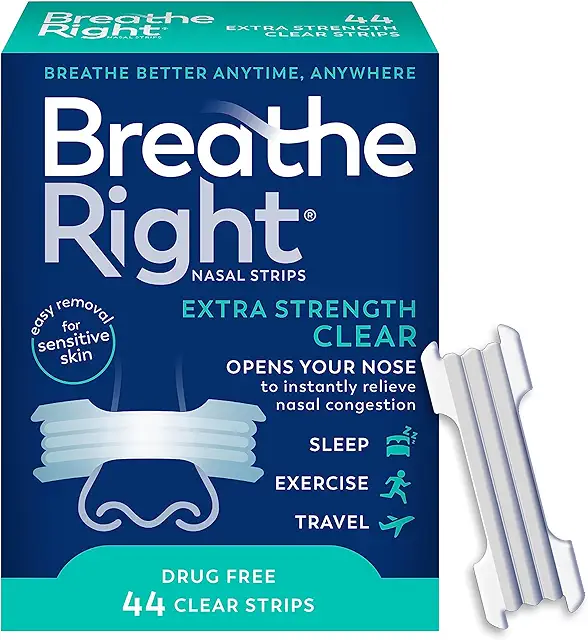
Some people start with over-the-counter anti-snoring mouthpieces or nasal strips before getting a custom dental device. While these may provide temporary improvement, they are not as precise or effective as a professionally fitted appliance.

"Custom dental devices are considered a primary treatment for mild to moderate sleep apnea, offering a silent, portable alternative to bulky CPAP machines."
Appliance vs. CPAP vs. Store-Bought
| Treatment Option | Comfort / Compliance | Best Used For | Medical Efficacy |
|---|---|---|---|
| Custom Dental Device | High (Silent, Portable) | Mild to Moderate OSA | Clinically Proven |
| CPAP Machine | Lower (Masks, Hoses) | Severe OSA | Gold Standard |
| Boil-and-Bite Guards | Poor (Bulky) | Simple Snoring Only | Unreliable |
Breakdown: Causes, Treatment, Time, & Cost
The Underlying Cause
Obstructive Sleep Apnea occurs when the soft tissues at the back of the throat collapse during sleep, physically blocking the airway. This stops breathing, forces the heart to work harder, and shatters sleep quality.
The Treatment Process
A sleep dentist will take precise digital scans or physical impressions of your teeth. The lab crafts the device to securely fit your bite. Once delivered, the dentist carefully "titrates" (adjusts) the device over a few weeks to find the exact jaw position that keeps your airway open without causing joint pain.
Time Requirements
Getting a custom appliance usually requires 2 to 3 office visits spread over a few weeks (consultation, impressions, and final fitting).
Cost Expectations
Professionally fabricated oral appliances generally range from $1,500 to $3,000. Unlike standard dental work, these devices are often billed to your medical insurance or Medicare as a treatment for sleep apnea, drastically reducing out-of-pocket costs.
⚠️ When Sleep Apnea Becomes Dangerous
While an oral appliance fitting is not a 3:00 AM dental emergency, the underlying condition of sleep apnea is a serious health hazard. You should urgently seek a sleep evaluation if you or your partner notice:
- Gasping or Choking: Waking up suddenly feeling short of breath.
- Severe Daytime Fatigue: Falling asleep involuntarily while working or driving.
- Cardiovascular Strain: Unexplained high blood pressure or morning headaches indicating dangerous oxygen desaturation during the night.
Stop Fighting Your CPAP
Palm Bay clinic provides comprehensive evaluations for comfortable, custom-fitted sleep apnea dental devices.
Get Fitted for a Custom DevicePalm Bay Partner: +1 (321) 723-0000
"Store-bought mouthguards might mute snoring, but they do not securely treat the airway obstruction causing sleep apnea. Custom dental fitting is essential."
What to Expect During Your Fitting
Treating sleep apnea with dentistry requires precision. During your visit, the sleep dentist will evaluate your jaw structure and review your sleep study results. They will take highly accurate impressions so the lab can build an appliance that securely hugs your teeth without shifting during the night.
Once you start wearing it, there will be an adjustment period. Minor jaw stiffness or excessive saliva is common for the first few mornings but typically fades quickly as your facial muscles adapt to the new resting position.